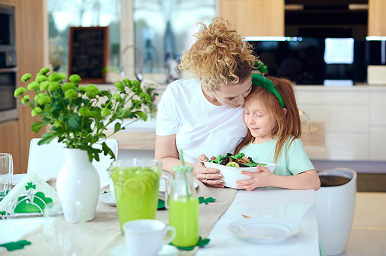

A child’s smile is one of the purest joys in life — a reflection of curiosity, warmth, and wonder. Caring for that smile from the very first tooth is one of the simplest yet most powerful ways parents can nurture lifelong health.
At Petra Vita, we believe that oral care should never feel clinical or complicated. It should be safe, fun, and gently guided by nature. Each brushing moment can become a shared ritual — a time to laugh, learn, and teach habits that will last for years.
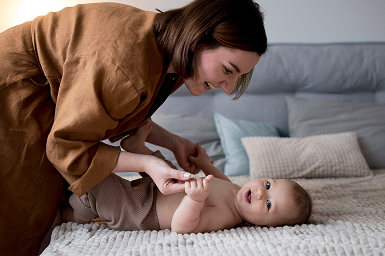
Even before the first tooth breaks through, oral hygiene matters. Wiping your baby’s gums with a soft, damp cloth after feeding keeps the mouth clean and introduces them to the feeling of gentle care.
Once that first tiny tooth appears, brushing can begin. Use a small, soft-bristled brush designed for infants and a rice-grain-sized amount of natural toothpaste. From that moment forward, brushing becomes a daily rhythm — a little act of love twice a day.
Children are naturally curious, and toothpaste is no exception. They often swallow a portion while brushing, which is why choosing gentle, fluoride-free, plant-based formulas is so important.
Natural toothpaste skips harsh foaming agents and synthetic sweeteners, replacing them with ingredients that clean effectively while keeping the mouth balanced:
These ingredients work together to maintain oral health without unnecessary chemicals. They protect enamel, freshen breath, and ensure that brushing remains a safe experience — even when a little paste gets swallowed.
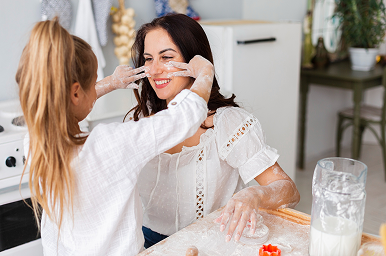
Children learn through imitation and play. When parents brush alongside them, brushing becomes a moment of connection rather than a chore.
Try these simple tricks to make the experience fun:
Consistency is key. Even if brushing feels tricky in the beginning, those few minutes of daily effort create habits that become second nature.
Baby teeth may be temporary, but they set the stage for adult teeth alignment and long-term oral health. Proper care now prevents cavities, encourages healthy gums, and builds confidence in smiling and speaking.
Natural toothpaste helps maintain balance in the mouth’s microbiome. Ingredients like aloe vera and xylitol reduce harmful bacteria without eliminating beneficial ones, keeping the mouth naturally fresh and comfortable.
If your child experiences sore gums during teething, a soft silicone finger brush or chilled teething ring can provide relief. Avoid numbing gels with harsh chemicals — nature’s cooling touch through gentle hydration is usually enough.
Just as we create bedtime or bath routines, a brushing ritual gives children predictability and security. Morning brushing becomes a fresh start; evening brushing marks the day’s closure.
Store brushes and toothpaste at your child’s height so they can participate. Encourage independence while keeping supervision until around age seven, when they can reliably reach every tooth.
Over time, these rituals instill more than hygiene — they teach responsibility, patience, and self-care.
A well-designed toothbrush makes all the difference. Look for:
Replace brushes every three months or sooner if the bristles fray. Teaching your child to notice worn bristles is another simple way to build awareness.
Good oral health starts in the kitchen as much as in the bathroom. Encourage balanced meals rich in fruits, vegetables, and water while minimizing sugary snacks. Crunchy foods like apples or cucumbers help naturally clean the teeth and gums.
Avoid constant sipping on sweet juices — offer water between meals to rinse away food particles. Each mindful choice complements the natural care you’re already practicing with toothpaste and brushing.
There’s something deeply heartwarming about seeing your child smile freely, without hesitation. A clean, healthy mouth contributes not just to appearance but to self-expression and confidence.
When brushing feels like a shared ritual of love rather than a rule, children associate oral care with comfort and belonging. They learn that looking after themselves can feel good — a belief that carries into adulthood.
Brushing is about more than clean teeth. It’s a metaphor for life’s gentle routines — small, consistent acts that build a foundation of well-being. When children grow up with those rhythms, they develop respect for their bodies and an appreciation for nature’s role in keeping them balanced.
So, the next time you hand your child their little toothbrush, take a moment to enjoy it. These few minutes are not just hygiene — they are connection, laughter, and love in motion.
Every bright smile begins with gentle care — and that care begins with you.
Lorem ipsum dolor sit amet, consectetur adipiscing elit. Ut elit tellus, luctus nec ullamcorper mattis, pulvinar dapibus leo.