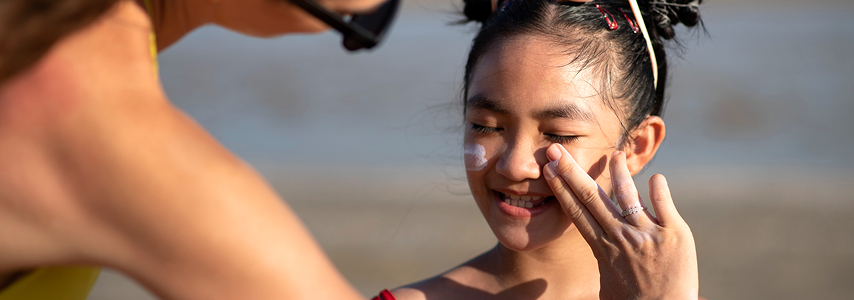
The gentle warmth of sunlight can feel like a loving hug, yet even the softest rays can harm sensitive skin if not approached with care. For babies and young children, sun protection is not a seasonal concern — it’s a year-round expression of mindful parenting.
Every parent wants their child to experience sunshine — to giggle on the beach, chase bubbles in the park, or nap peacefully in a stroller under a soft sky. But behind those golden moments lies an invisible risk: ultraviolet radiation that never truly rests.
It’s easy to think of sunscreen only when the temperature rises, but UV rays do not take breaks. They filter through clouds, reflect off sand, snow, and even water. Up to 80 percent of harmful rays can still reach the skin on cloudy days. Glass windows, too, allow UVA rays to penetrate, meaning that even indoor play near a sunny window can affect delicate skin.
Children’s skin contains less melanin — the pigment that provides natural protection. That means they burn faster, dry out more easily, and are more prone to long-term sensitivity. Establishing early protection routines builds healthy habits that last into adulthood.
Choose sunscreen labeled specifically for infants or children. Look for SPF 30 or higher and broad-spectrum coverage that shields against both UVA and UVB rays.
For sensitive skin, mineral-based sunscreens are ideal. Ingredients such as zinc oxide and titanium dioxide act as physical barriers, sitting on the surface and reflecting sunlight instead of absorbing it. These minerals are naturally gentle and less likely to cause irritation.
Apply sunscreen about 15 minutes before sun exposure, even on overcast days. Use a thin, even layer on all exposed skin — ears, neck, hands, feet, and the back of the knees are often forgotten spots.
Reapply every two to three hours, or sooner if your child is swimming or sweating. Remember that water-resistant doesn’t mean waterproof; gentle re-application is still necessary.
Clothing is one of the simplest, most effective forms of protection. Dress your little one in lightweight, long-sleeved cotton tops and wide-brimmed hats that shade the face, ears, and neck. For very sunny days, you can also look for garments labeled with UPF (ultraviolet protection factor).
Choose loose, breathable fabrics to prevent overheating. In warmer weather, pastel colors work well because they reflect sunlight while keeping your child cool. Sunglasses with UV protection can also safeguard delicate eyes and the surrounding skin.
The sun’s rays are strongest between 10 a.m. and 4 p.m.. During these hours, aim for shade — whether it’s the canopy of a tree, a stroller cover, or an umbrella on the beach. If you do go out, plan short intervals rather than extended outdoor time.
In cooler months, sunlight may feel gentler, but the UV index can still be high. Snow, for example, reflects up to 80 percent of UV light, doubling exposure risk. Protection is just as essential on a ski trip as it is on a summer picnic.
Sun exposure can deplete moisture levels in your child’s skin, leading to dryness and irritation. Keep hydration levels balanced both internally and externally.
Encourage your child to drink water frequently and, for babies under six months, follow your pediatrician’s guidance on breastmilk or formula frequency. Externally, apply a gentle moisturizer after sun exposure to help restore the skin’s balance.
A lotion enriched with shea butter, aloe vera, or coconut oil can soothe warmth and replenish lost hydration. Think of it as a cooling after-sun ritual — calm, caring, and restorative.
Whenever possible, let shade be your first line of defense. Natural shade from trees, strollers, or patio umbrellas keeps the skin safe while still allowing your baby to enjoy the outdoors.
For younger infants, a breathable canopy or sunshade attached to a stroller provides consistent protection without discomfort.
Remember, protecting your baby doesn’t mean avoiding the sun altogether. Gentle morning or late-afternoon light allows your child to benefit from natural vitamin D production while keeping the skin safe.
Sunscreen doesn’t last forever. Always check expiration dates before using, as old formulas lose effectiveness. Store bottles in a cool, dry place — not inside a hot car or direct sunlight — to maintain their stability.
The simpler the ingredient list, the better. Avoid sunscreens that contain alcohol, artificial fragrances, or harsh preservatives. Babies’ skin doesn’t need complexity; it needs consistency.
Children mirror their parents. When you apply sunscreen to your own skin before going outside, your child learns that it’s a normal and caring part of daily life. These early lessons nurture a lifetime of mindful habits.
Make it a shared ritual — a moment of togetherness before adventure. Applying sunscreen side by side becomes not just protection but connection.
Sun care is not a summer luxury. It is a year-round responsibility that preserves the integrity and comfort of delicate skin. Whether it’s winter walks, spring picnics, or golden summer evenings, the sun is constant. So is the need for protection.
By keeping a small travel-size sunscreen in your diaper bag, choosing protective clothing, and staying attentive to shade, you turn awareness into action.
Caring for your child’s skin is really about love in motion — the gentle squeeze of lotion in your palm, the sweep of sunscreen across soft cheeks, the comfort of a shaded stroller nap. These small gestures communicate safety, trust, and care far beyond words.
Sun protection isn’t a rule. It’s a ritual that honors the fragility and strength of the life you hold so close.
Lorem ipsum dolor sit amet, consectetur adipiscing elit. Ut elit tellus, luctus nec ullamcorper mattis, pulvinar dapibus leo.